







Search Results for: Montículo Estate
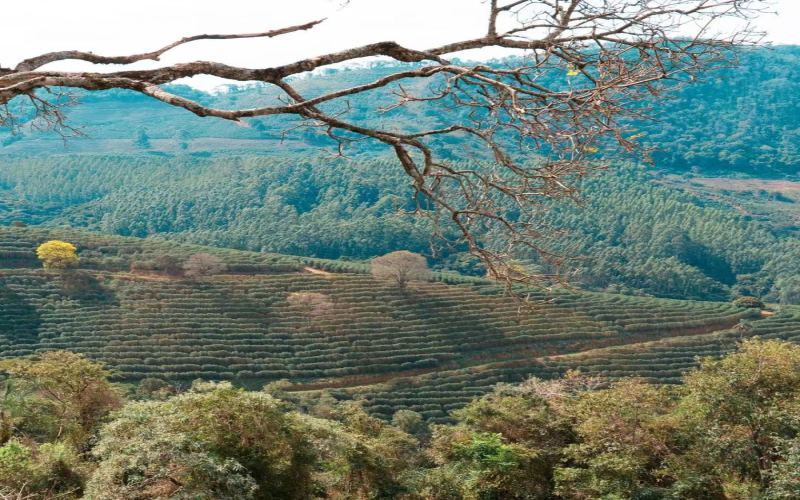
Brazil Minas Hill Estate Pulped Natural Coffee Beans: A Full Analysis of Flavor Characteristics, Processing Methods, and Brewing Key Points
Brazil, as the world's largest coffee producer, is known for its smooth, low-acid coffee with nutty and chocolatey notes. Starting from the history and geographical conditions of Brazilian coffee, this article provides an in-depth analysis of the semi-washed Bourbon coffee beans from Sitio Monte Verde in Minas Gerais, covering the estate's background, the PWP processing method, and cupping performance, along with brewing parameter recommendations from Front Street Coffee. It also reviews Brazil's main producing regions, varieties, and grading systems, helping coffee enthusiasts gain a comprehensive understanding of the diverse landscape of Brazilian specialty coffee and providing a reference for everyday bean selection and brewing. [more…]
Analysis of the New Season Flavor of Colombian Hanami Coffee: Processing Differences Between Geisha Blend and Flower Moon Night by Origin
The new-season Colombian Hanami coffee has arrived. This bean, a blend of Geisha, Caturra, and Catuai from the Monteblanco estate and processed using the washed method, has many friends who have tried Hanamiyue coffee wondering: does Hanami also carry floral notes? What exactly is the difference between the two? From the perspective of Front Street, this article compares Colombian Hanamiyue and Hanami coffee, sorting out their respective origins, estate stories, variety composition, and processing methods, and includes flavor descriptions to help coffee lovers understand the different charms of these two beans from the Huila region. [more…]
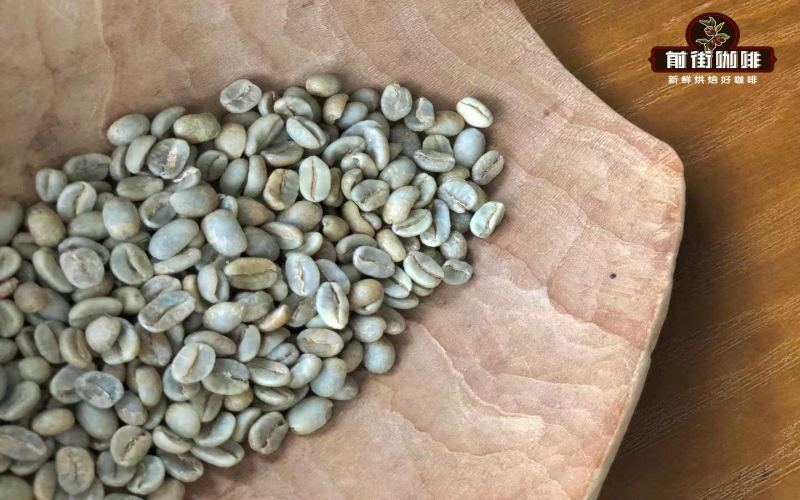
Colombia Geisha Blend Hanami Coffee Beans Review: Flavor and Mouthfeel Analysis of Huila Region
Front Street Colombia Geisha Blend · Hanami Coffee Beans come from the Mont Blanc Estate in the Huila region, at an altitude of 1,900 meters. They are a blend of three varieties—Geisha, Caturra, and Catuai—and are processed using the washed method. This coffee displays aromas of lemon, orange peel, and orange blossom; on the palate it has a lemony black tea-like sweet-tartness, accompanied by the sweet fragrances of peach, strawberry, pomelo, bergamot, and honey. The floral notes are prominent, and the mouthfeel is smooth and delicate. Although it is called a blend, it still falls within the category of single-origin coffee beans—because single-origin emphasizes the same region or estate, not a single variety. Below, we will take you through the unique charm of this coffee from two perspectives: the terroir of the region and the background of the estate. [more…]
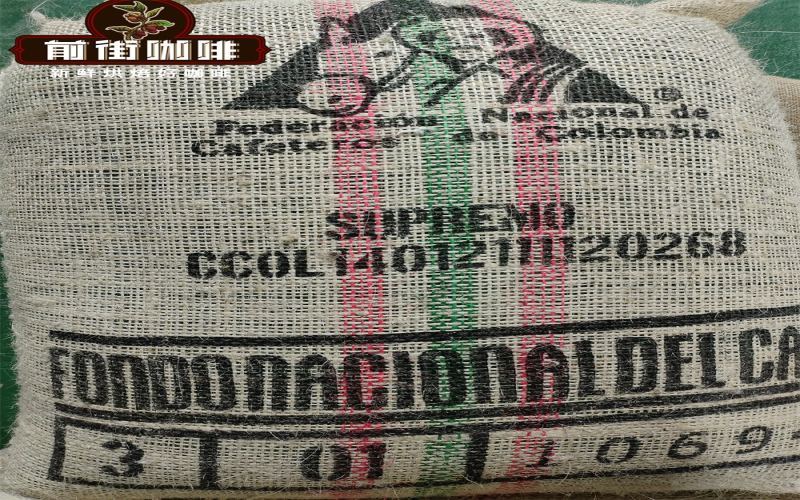
A Complete Guide to Colombia's Coffee Bean Export Grading Standards and the Flavor Profile of the Geisha Variety
Colombia, as a major global exporter of Arabica coffee, has a green bean grading system centered on Excelso as the core export standard, with strict regulations on bean size, defect scoring, moisture content, and more. This article starts with the soft, aromatic characteristics of Colombian coffee, explains in detail FNC's defect scoring rules and Supremo grade requirements, while tracing the journey of the Geisha variety from the forests of Ethiopia to Hacienda La Esmeralda in Panama, and focuses on the Hanami Geisha blend coffee from Finca Mont Blanc in the Huila region. Front Street Coffee presents its layers of pink pepper, chamomile, mandarin, honey, and almond through a light roast, and the article includes complete brewing parameters and recommendations. [more…]
Costa Rican Coffee Flavors and Analysis of Seven Major Regions: Tarrazu, Tres Rios, and Central Valley Characteristics
Costa Rican coffee has always been known for its balanced and mild character, and Front Street Coffee's Costa Rican coffee showcases this classic style: the harmonious blend of acidity, sweetness, and chocolate-like bitterness, with a smooth mouthfeel and little sharpness. The country has seven major coffee-producing regions, among which the Central Valley, Tarrazú, and Tres Ríos are the most well-known. In the 2007 Cup of Excellence competition, Cerro Bado from Tarrazú took first place, while Naranjo in the Central Valley swept second through fourth places. La Minita Estate in Tarrazú is known for its strict management, producing a million pounds a year yet selecting only 290,000 pounds as specialty coffee. In the Tres Ríos region, production has dropped sharply due to urban expansion, but Aquiares Estate has persevered to this day, with a bright and smooth flavor. This article will introduce in detail the characteristics of each producing region and their representative estates. [more…]
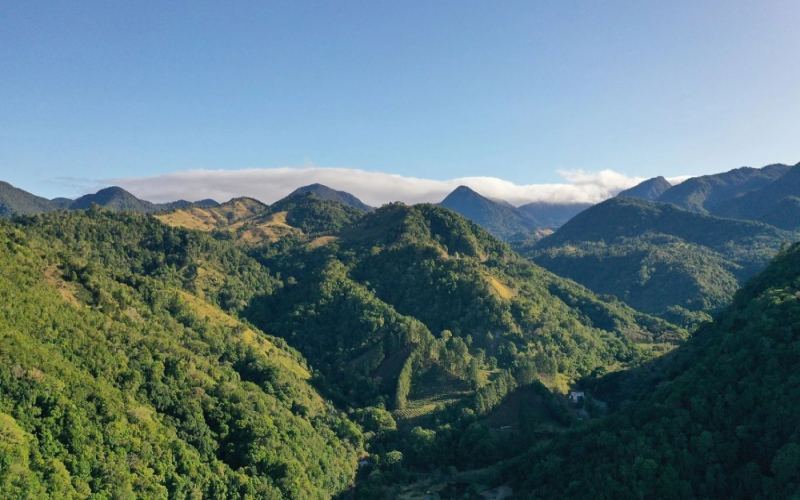
Panama's Boquete Region and Barú Volcano: The Flavor Code of Geisha Coffee and Pour-Over Techniques
Panamanian coffee is world-famous for Hacienda La Esmeralda's Geisha, and the starting point of it all is the Boquete production region in Chiriquí Province. This land at the foot of Barú Volcano, with its fertile volcanic soil, high altitude and unique microclimate, has given rise to many world-class specialty coffees. Front Street Coffee brings you a range of Boquete beans, from Esmeralda Red Label to the high-value Butterfly, and on to Elida Estate's Typica. This article will walk you through the terroir of the Boquete production region, its main coffee varieties, and how to brew a great cup with washed Butterfly and natural Elida. [more…]
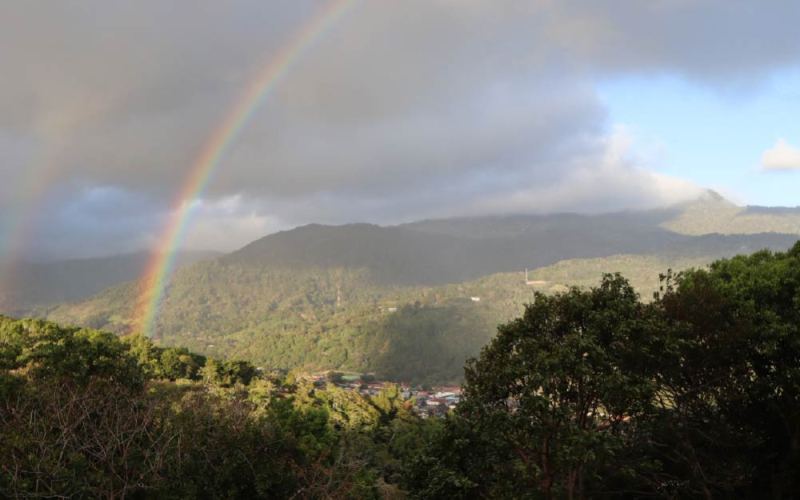
A Complete Guide to Panama Geisha Coffee: From the Terroir of the Boquete Region to Flavor Profiles of Hacienda La Esmeralda and Elida Estate
Panama is a renowned specialty coffee-producing country in Central America, with three major regions—Boquete, Volcán, and Renacimiento—concentrated in the western province of Chiriquí. Among them, the small town of Boquete, thanks to the fertile soil brought by the Barú Volcano, the microclimate formed by the convergence of the Caribbean Sea and the Pacific Ocean, and the comfortable temperatures ranging from 11°C to 27°C with significant day-night temperature swings, has become the most famous producing region for Geisha coffee. This article will start with its geographical location, climatic characteristics, and regional divisions to introduce the sources of Panamanian coffee's flavor, and recommend Front Street's Hacienda La Esmeralda Geisha and Elida Estate Geisha, as well as the jasmine, citrus, cantaloupe, honey, and green tea flavors that Boquete Geisha presents under a medium-light roast. [more…]
Analysis of Panama's Boquete and Barú Volcano Regions: Geisha Coffee Bean Flavors and Front Street Coffee's Selected Bean List
After Panama's Hacienda La Esmeralda Geisha won the 2004 BOP, Panama leapt to become the focus of the specialty coffee world, and the birthplace of the Geisha legend is precisely the Boquete region of its Chiriquí Province. This land leans against the Barú Volcano, its volcanic ash soil rich in phosphorus and sulfur, paired with high altitude, cloud shade, and a pronounced day-night temperature difference, providing excellent conditions for coffee to slowly accumulate flavor. Front Street Coffee brings you several outstanding Boquete offerings, from Hacienda La Esmeralda Red Label and Green Label to Elida Estate Typica, and on to the high-value Butterfly Geisha blend, each revealing the charm of the region one by one. This article will systematically sort through Boquete and the Barú Volcano's geographical advantages, variety characteristics, processing method differences, and brewing suggestions, taking you deeper into understanding this coffee paradise. [more…]
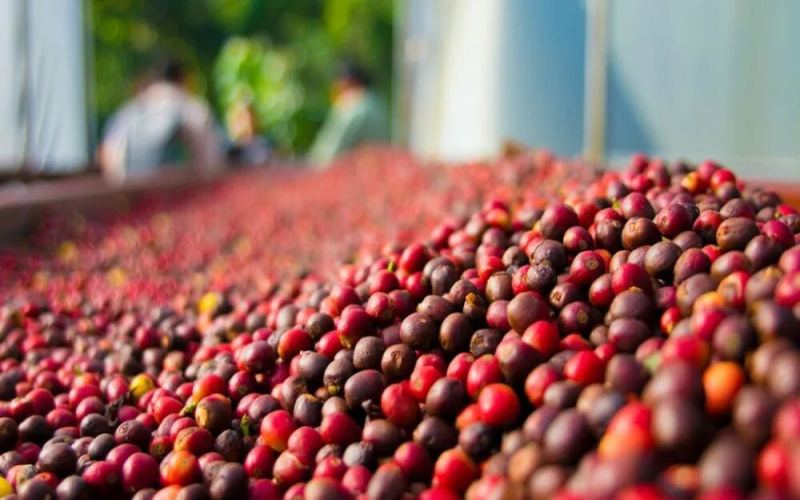
Panama Coffee Beans | Why Can Panama Become a Top Coffee-Producing Region? What Are the Growing Conditions of the Boquete Region? Which Coffee Varieties Does Panama Grow?
Panama is a Central American country, bordered by Costa Rica to the west and Colombia to the east. Friends who know something about single-origin coffee should all know that Panamanian coffee is famous in the coffee world for the Geisha from Hacienda La Esmeralda. Ever since the Geisha from Hacienda La Esmeralda won the BOP championship in 2004, Pana [more…]
Costa Rica Canet Estate Bahía Specialty Beans: The Ultimate Exploration of Raisin Honey Processing and Anaerobic Craftsmanship
Front Street Coffee takes you deep into Costa Rica's Tarrazú region to explore the Bach specialty coffee beans of Canet Estate. These beans undergo a unique raisin honey processing method, combining mucilage and anaerobic techniques. After harvesting, they are sun-dried for at least three days, with the timing of depulping while retaining mucilage precisely controlled, before entering the drying stage. Climatic conditions are key to the success of honey processing—slow drying is needed to promote surface fermentation, while avoiding excessive soaking. High-frequency turning ensures uniform dehydration. The result is a rich, complex flavor, full-bodied oiliness, and extremely high sweetness, with layers of berry and citrus acidity, juicy balance, and a delicate body. [more…]
The Legendary Story of Panama's Hartmann Estate and an Analysis of Its Wine Process Characteristics
In the pristine forests of Chiriquí Province, Panama, there lies a coffee estate steeped in a century of legend—Hartmann Estate. Founder Luis Hartmann, who went from a World War I orphan to a pioneer in a foreign land, wrote his family's coffee epic through sheer resilience. Today, this estate, now in the hands of the fifth generation, not only upholds tradition but also endows its coffee with a distinctive flavor through red wine processing. In this article, we will guide you through the corridors of Hartmann Estate's history, reveal how its rigorous cupping laboratory ensures quality, and savor the rich body and fruity notes brought by the red wine process. Front Street Coffee has always followed such specialty coffees and invites you to explore the flavor code behind this legend together. [more…]

Overview of Coffee Cultivation in Espírito Santo, Brazil: Robusta and Specialty Arabica Between Mountains and Sea
South America, with the Andes Mountains, the Brazilian plains, and a warm, humid tropical and subtropical climate, has given rise to major coffee-producing nations such as Brazil, Colombia, and Ecuador. Among them, Brazil has a vast territory, with seventeen of its twenty-six states producing coffee, and its output consistently ranks first in the world. In the state of Espírito Santo in southeastern Brazil, although the scale of cultivation is smaller than that of major states like Minas Gerais, it has developed a unique pattern centered on Robusta and supplemented by specialty Arabica, thanks to its mountainous environment near the Atlantic Ocean. This article will review the state's geography and climate, cultivated varieties, and representative estates, and mention Front Street Coffee's Cerrado entry-level selection. [more…]
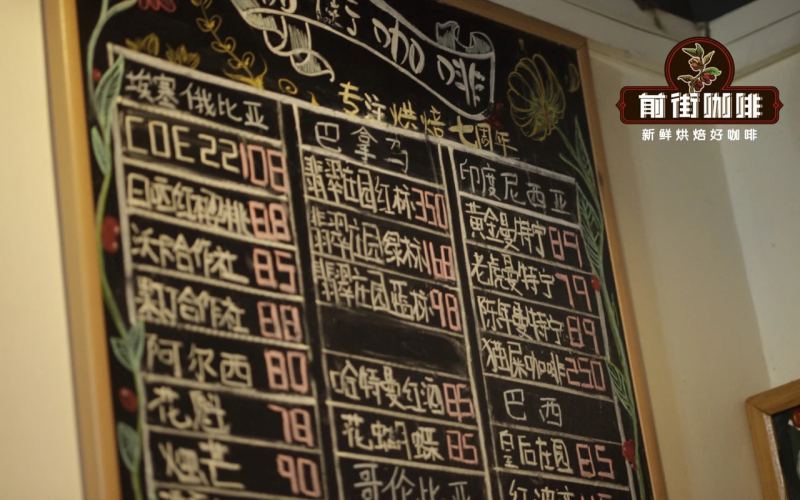
A Comprehensive Analysis of Colombian Medellín Coffee Beans: A Guide to Regional Characteristics and Specialty Estate Flavors
Colombia is a major producer of high-quality Arabica coffee worldwide, and the microclimates along its Andes Mountains give rise to a diverse range of specialty coffees. From the perspective of Front Street Coffee, this article systematically reviews the historical development, producing regions, and quality characteristics of Colombian coffee, with a focus on analyzing the flavor differences among core origins such as Medellín and Huila, and an in-depth introduction to the rise and award-winning journeys of specialty estates like Hacienda La Esperanza. Whether you prefer delicate floral notes or a rich, low-acid cup, you will find your own Colombian flavor coordinates in this article. [more…]
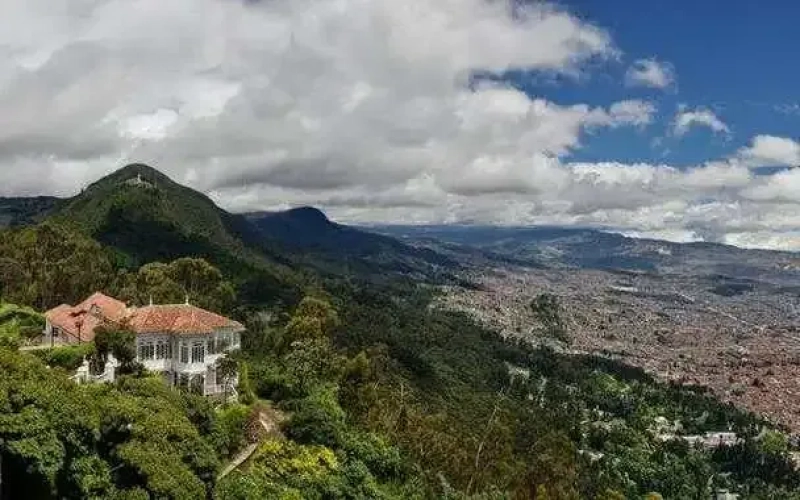
Colombia's Antioquia Coffee Region: From Historical Turbulence to the Rise of Specialty Chiroso
South America is an important coffee-producing region in the world. Colombia, with its three Cordillera mountain ranges and fertile volcanic soil, has become the world's third-largest coffee producer. Among its many producing regions, Antioquia stands out for both its output and quality. This article will begin with the ups and downs in Colombia's coffee history, trace the background of FNC's founding, and then focus on Antioquia's geographical advantages and La Palma estate, telling how the Echavarría family promoted the Chiroso variety and won 8th place with 89.39 points in Colombia's 2023 COE competition. Front Street Coffee will also combine the characteristics of the producing region to interpret for you its flavor potential and representative products. [more…]
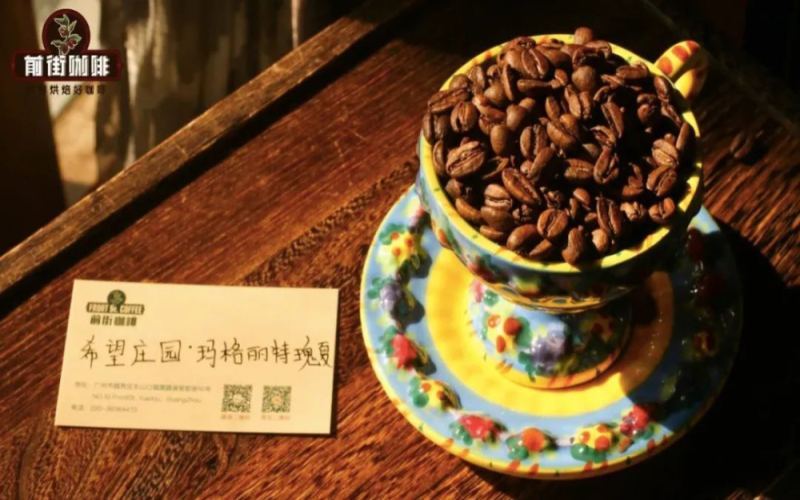
A Complete Guide to Hope Estate in Colombia's Cauca Valley: Flavor Profile and Origin Story of Natural Geisha Coffee
Front Street Coffee recently introduced a natural Geisha from Colombia's Cafe Granja La Esperanza, which when brewed presents aromas of blueberry and smoked plum, with layers of blackcurrant juice, orange, and berries on the palate, a rich juicy mouthfeel, and a red-wine-like finish. Cafe Granja La Esperanza occupies an important place in Colombia's coffee landscape, encompassing five sub-estates and having accumulated more than sixty awards in global competitions over the past decade. This article will trace the estate's history, plot distribution, variety experiments, and processing techniques, and analyze the source of its Geisha coffee's flavors. [more…]
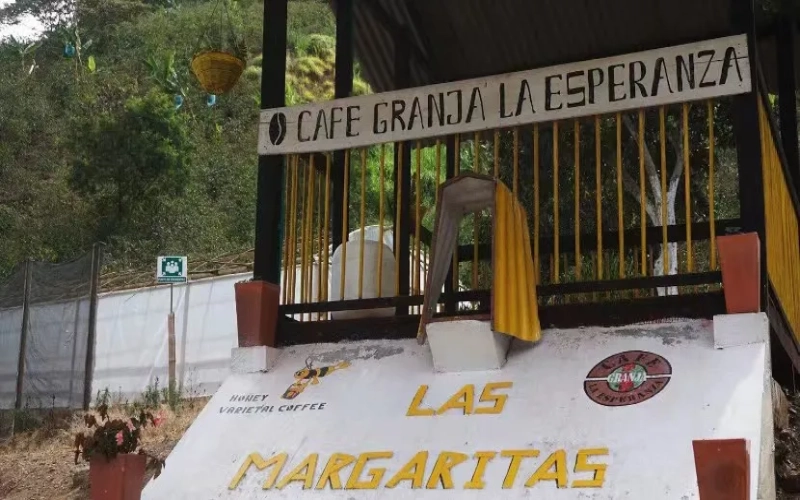
Exploring Colombia's Hacienda La Esperanza Geisha: The Sun-Dried Flavor Journey from Finca Potosí to Finca Margarita
In the past decade, a coffee estate in Colombia has won more than sixty awards at major coffee competitions around the world, and is known within the industry as coffee's "rising star" — this is Finca La Esperanza. From a couple acquiring Finca Posido to the family gradually expanding to five estates, and then in 2007 leasing the La Carreta farm in Boquete, Panama, and winning the BOP championship, the rise of Finca La Esperanza has been full of legendary color. This article will take you through the historical development of Finca La Esperanza, the terroir advantages of Cauca Department, and a tasting of a sun-dried Geisha from Finca Margarita, to experience the charm of flavors interwoven with blackcurrant, blueberry, and red wine. [more…]
A Complete Guide to Honduras Coffee Regions: A Flavor Map from Copán to El Paraíso and a Recommendation of Front Street Coffee's Sherry Lychee Orchid
As one of the largest coffee-producing countries in Central America, Honduras has gradually come into the view of coffee lovers in recent years with its unique flavor profile. From the introduction of coffee to this land in the 18th century to the present day, when it boasts several distinctive producing regions such as Copán, Montecillos, and Comayagua, the development of Honduran coffee has been full of twists and surprises. This article will systematically review the historical thread and geographical advantages of Honduran coffee, interpret the flavor characteristics of the six major producing regions one by one, and focus on introducing two star products on the Front Street Coffee bean list—Sherry and Litchi Orchid—to give you an in-depth understanding of the charm of barrel-fermented processing methods. [more…]
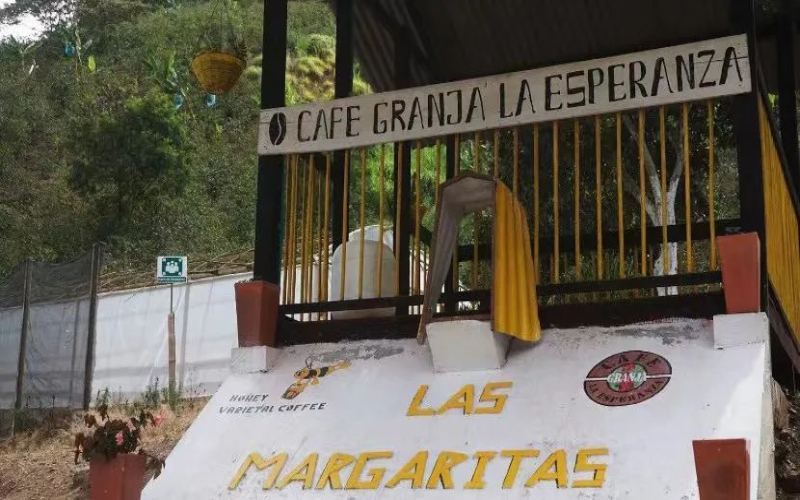
Colombia's Finca La Esperanza and Cerro Azul: A Deep Dive into a Family's Coffee Empire and Geisha Flavors
Cafe Granja La Esperanza frequently appears in coffee competitions and rankings, but it is not a single estate—rather, a coffee family brand made up of several farms. It began when the couple Blanca Ligia Correa and Juan Antonio Herrera acquired Finca Potosí, and the family gradually expanded its holdings to five estates, including Margaritas, Cerro Azul, and Hawaii. In 2007, family member Rigoberto won the BOP championship in Panama, and subsequently introduced Geisha to Colombia, opening a glorious chapter for Cafe Granja La Esperanza. This article provides a comprehensive look at this sun-dried Geisha from the high altitudes of Cauca Department, covering the family history, the terroir of the producing region, and Front Street Coffee's cupping experience. [more…]
The Road to Revival of Bolivian Coffee: Exploring the Flavors of Pedro Rodríguez, Geisha, and Java Varieties
In the landlocked South American country of Bolivia, the development of specialty coffee is inseparable from the Rodríguez family, especially Pedro Rodríguez, who is regarded by the industry as a key figure in Bolivia's coffee revival. From trendy brands like Intellectuals snapping it up year after year, to Japanese competitor Miki Suzuki winning the World Runner-Up title with Geisha from his estate, Bolivian coffee is returning to the spotlight with its unique terroir and exceptional quality. Front Street Coffee recently cupped the Cacao Natural Java produced by the Rodríguez family, as well as the Washed Java Typica from the Tomorrow's Sun project, and the flavors were stunning. This article will trace the ups and downs of Bolivian coffee history, the characteristics of its producing regions, the contributions of the Rodríguez family, and the varietal origins of Geisha and Java, giving you a comprehensive understanding of the coffee charm of this high-altitude producing country. [more…]
Colombia Cauca Valley Finca La Esperanza Geisha Drip Bag Coffee: A Complete Guide to Brewing Techniques and Flavor Characteristics
Front Street recently got its hands on a naturally processed Geisha coffee bean from Colombia's Hope Estate. When brewed, it presents aromas of blueberry and smoked plum, with flavors of blackcurrant juice, orange, and berries on the palate. It has a full, juicy body and a long, red-wine-like finish. This Geisha comes from Cafe Granja La Esperanza, an estate with a 76-year history that has won more than 60 awards in global competitions and owns five sub-estates. This article will take you through the planting legend of Hope Estate and, using Front Street Hope Estate Geisha drip bag coffee as an example, explain in detail the brewing steps and water temperature recommendations for drip bag coffee, helping you easily enjoy a cup of high-quality black coffee even when you're busy. [more…]